Trebah Garden Committee launches initiative to preserve rare heritage rhododendrons
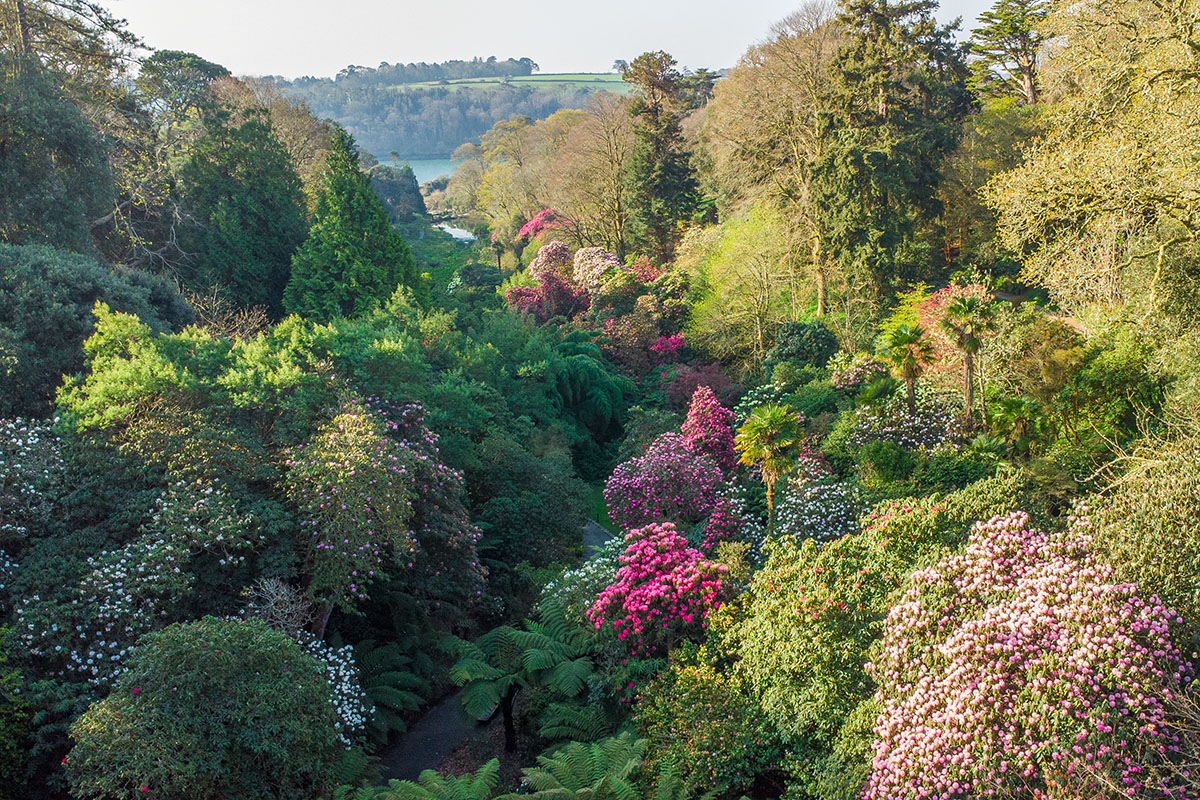
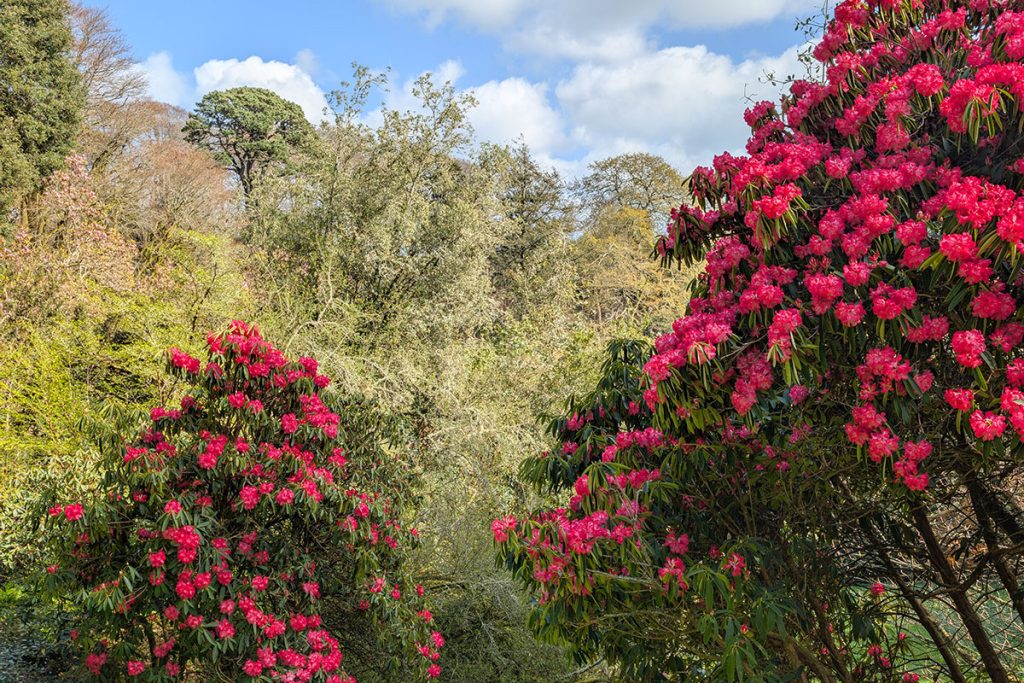
There are few sights more breathtaking at Trebah than the rhododendrons in full bloom. Looking down from the head of the valley, the scale and stature of these magnificent plants is unmistakable; towering forms, giant flower clusters, and a vivid palette that defines early spring in the garden.
But behind this seasonal spectacle lies a fascinating story – one of plant hunters, pioneering horticulturists, and a new effort to rediscover and protect Trebah’s rarest botanical treasures.
Watch Head Gardener Darren tell the story here:
A living legacy rooted in exploration
During the 19th century, plant collectors transformed British gardens with species gathered from the Himalayas and beyond. Among them, Sir Joseph Hooker documented dozens of rhododendron species, many of which still thrive at Trebah today.
Trebah quickly became more than just a place to grow these plants – it became a proving ground.
Thanks to its sheltered valley and mild Cornish microclimate, Trebah offered ideal conditions for experimentation. Rhododendrons that were untested in Britain flourished here, growing to extraordinary sizes and producing remarkable flowers. Visitors would marvel at their beauty and then seek them out for their own gardens.
In many ways, Trebah became a shop window for these extraordinary plants – though 10 owners, 1 house fire and over 150 years later, many of the plant records from this period have been lost.
The Gill Nursery connection
Central to this story is Richard Gill, a pioneering nurseryman based at Tremough estate, now part of Falmouth University. His nursery was at the forefront of rhododendron hybridisation, particularly crosses between species such as Rhododendron arboreum and Rhododendron griffithianum.
These crosses produced some of Trebah’s most important plants, including:
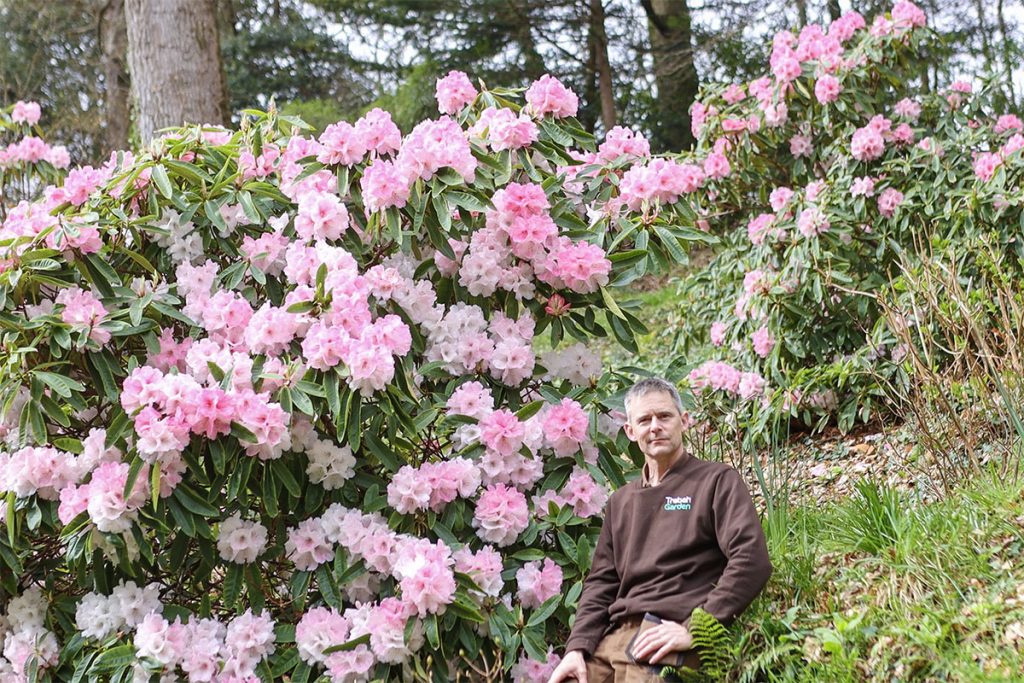
- ‘Trebah Gem’ – a standout hybrid with large, salmon-pink flowers
- ‘Glory of Penjerrick’ – a deeper pink sibling with striking variation
- ‘Beauty of Tremough’ – part of the same hybrid lineage
These weren’t just local successes – plants from Gill’s nursery were distributed across the UK and as far afield as Japan and New Zealand, cementing their global reputation.
A garden of giants
Many of these rhododendrons are not just beautiful -/ they’re immense.
‘Trebah Gem’, for example, produces huge flower trusses from a young age and can eventually reach heights of 15–20 metres. When in bloom, it delivers what can only be described as true flower power.
Elsewhere in the garden, other species rhododendrons add further interest. Keep an eye out for:
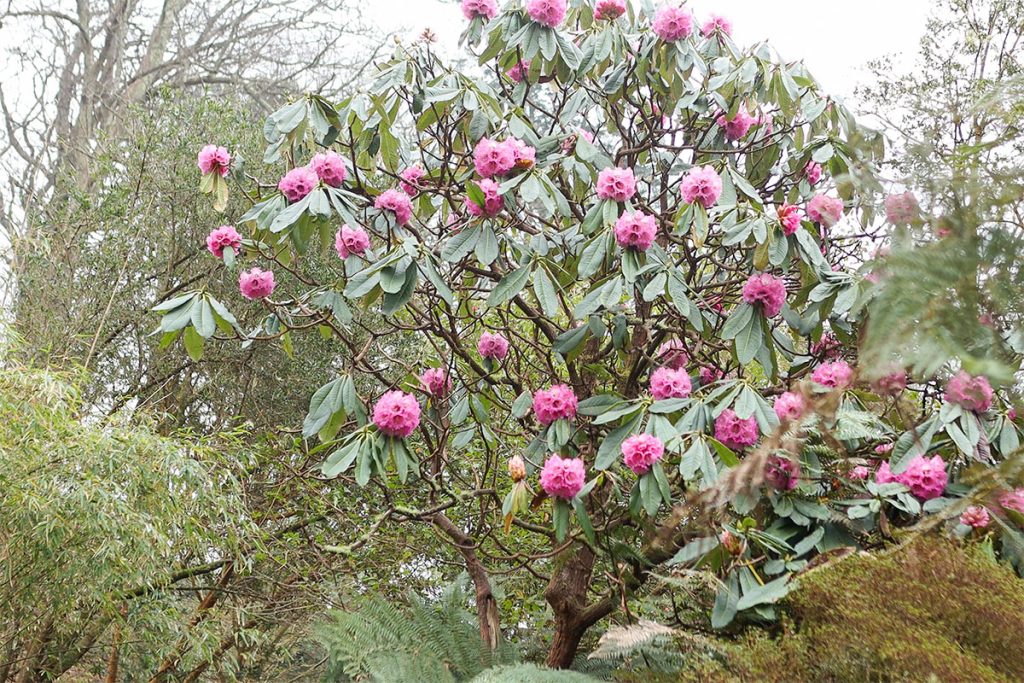
- Rhododendron protistum – rare and ageing, now a priority for propagation to ensure its survival
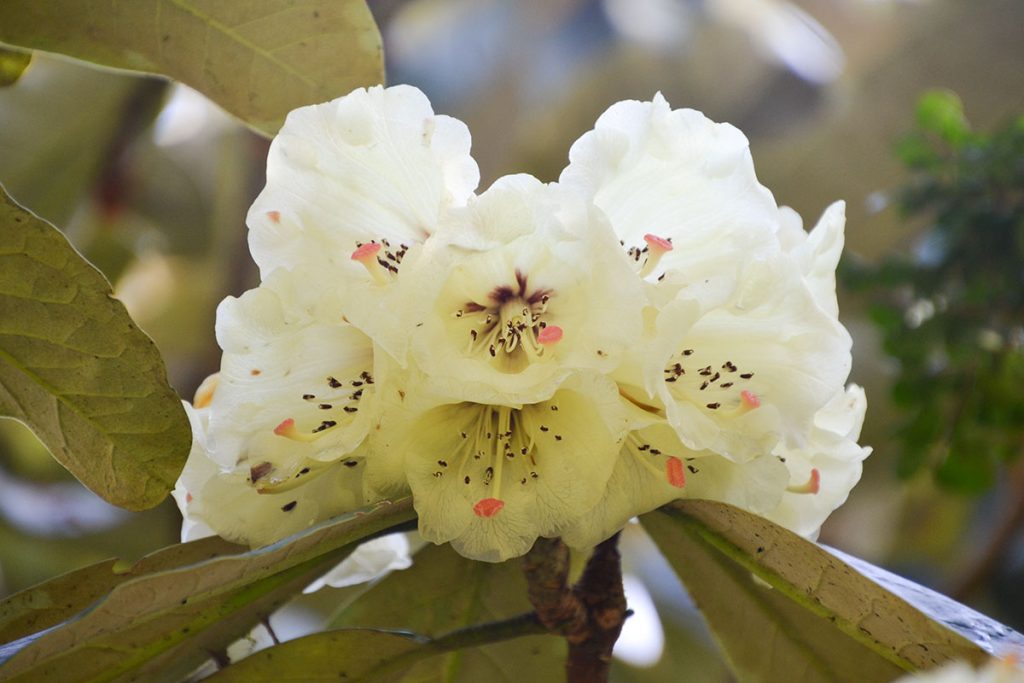
- Rhododendron macabeanum – known for its striking yellow flowers
Walking through the valley, it’s easy to imagine the awe of early visitors in the late 1800s, suddenly encountering these bold, exotic blooms as if on a Himalayan expedition.
Lost, found… and still to be discovered
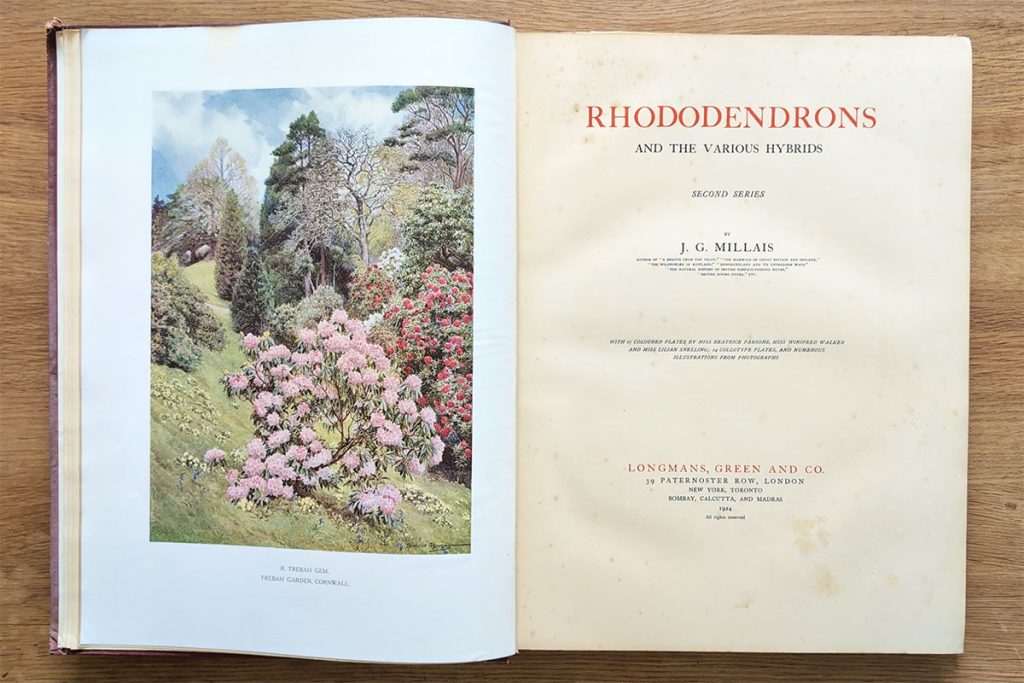
In 1924, naturalist John Guille Millais recorded three exceptional rhododendrons at Trebah:
- ‘Edmondii’
- ‘Trebianum’
- ‘Trebah Gem’
Today, only ‘Trebah Gem’ has been confidently identified in the garden.
The others may still exist, but remain unidentified or lost to time.
This uncertainty has inspired a new initiative at Trebah: a dedicated effort to identify, preserve and, where possible, reintroduce these historic plants.
The search begins
Working with experts John and Edwin Lanyon, alongside Trebah’s Garden Committee, the team is carefully piecing together the garden’s living collection.
This involves:
- Studying historic records and plant lists
- Identifying unknown or mislabelled specimens
- Collaborating with other gardens across the UK
- Propagating rare plants through micropropagation
In some cases, plants may need to be sourced from elsewhere in the country; in others, Trebah may hold the last surviving examples.
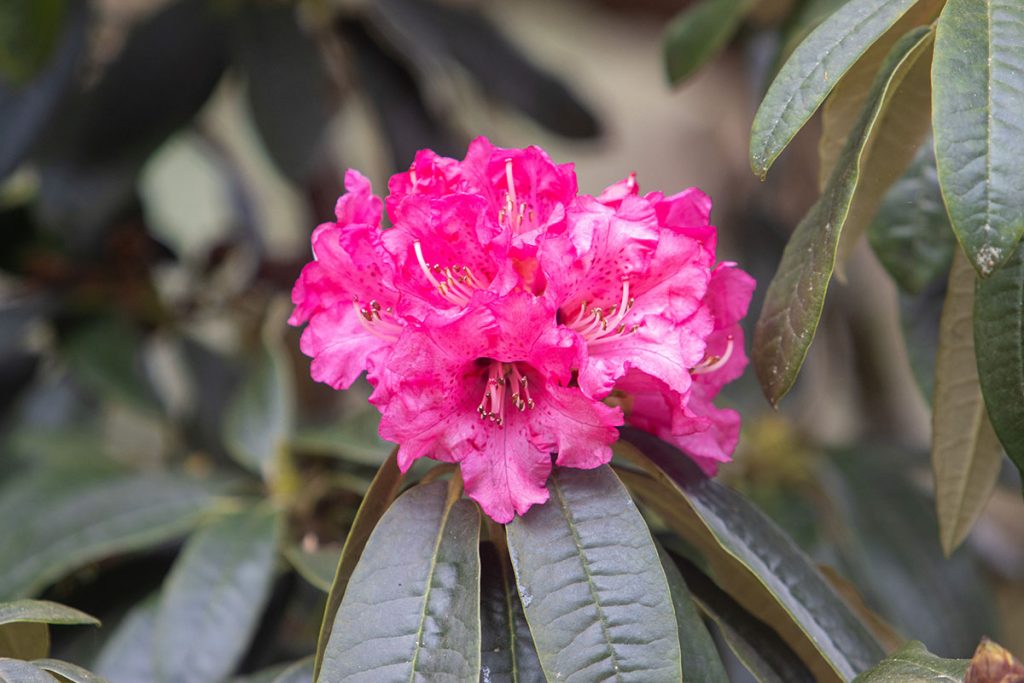
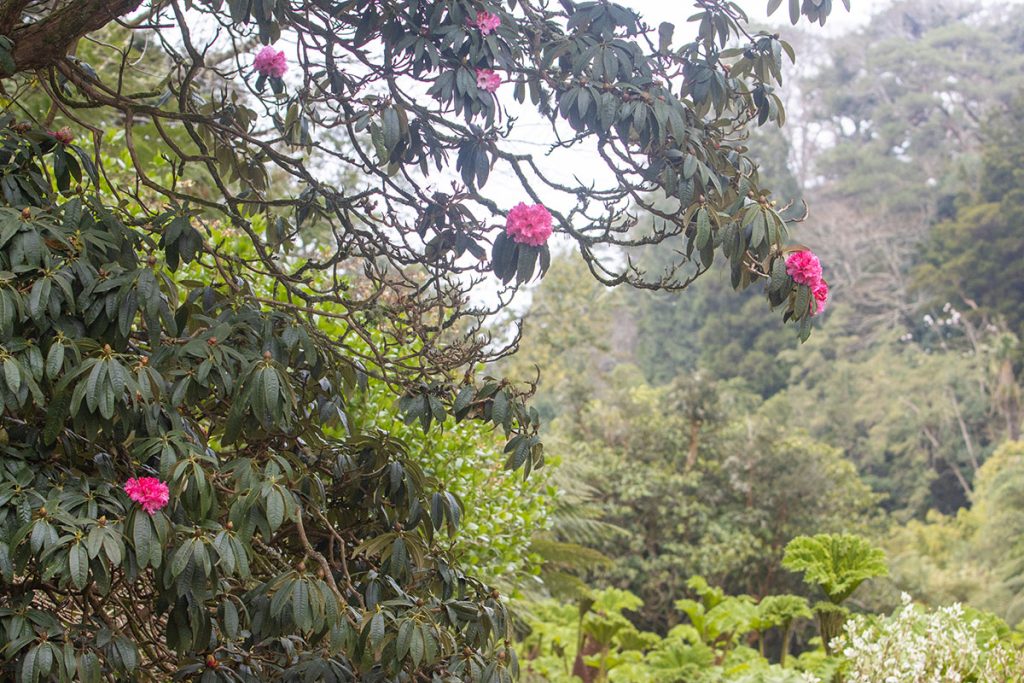
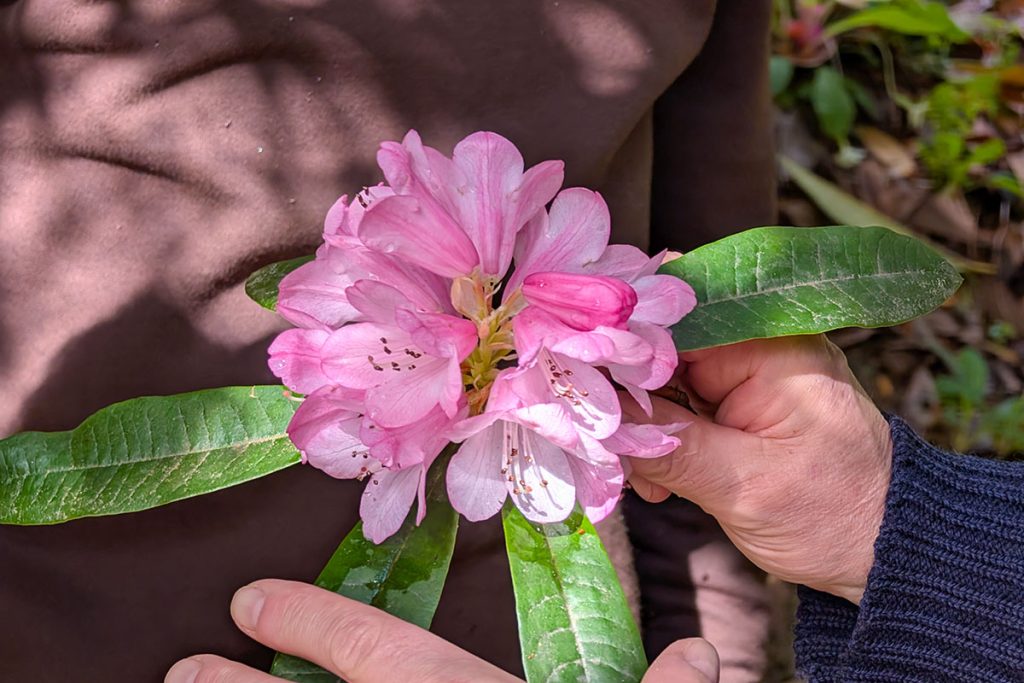
One successful identification is Rhododendron ‘Riviera Beauty’. A tall, mature specimen can be found on Davidia Walk opposite the gunnera plantation and, in early April, it’s awash with large buds and deep pink flowers.
Preserving plants for the future
In the early 2000s, material from ‘Trebah Gem’ was successfully micropropagated, allowing new plants to be grown and reintroduced after the original specimen was lost in a storm. Today, those plants are thriving and have been shared with other gardens to safeguard the cultivar.
This approach is now being extended to other rare rhododendrons, including ageing specimens that are difficult to propagate by conventional means.
The goal is simple but vital: to ensure these plants are not only preserved but continue to flourish for generations to come.
A collection worth celebrating
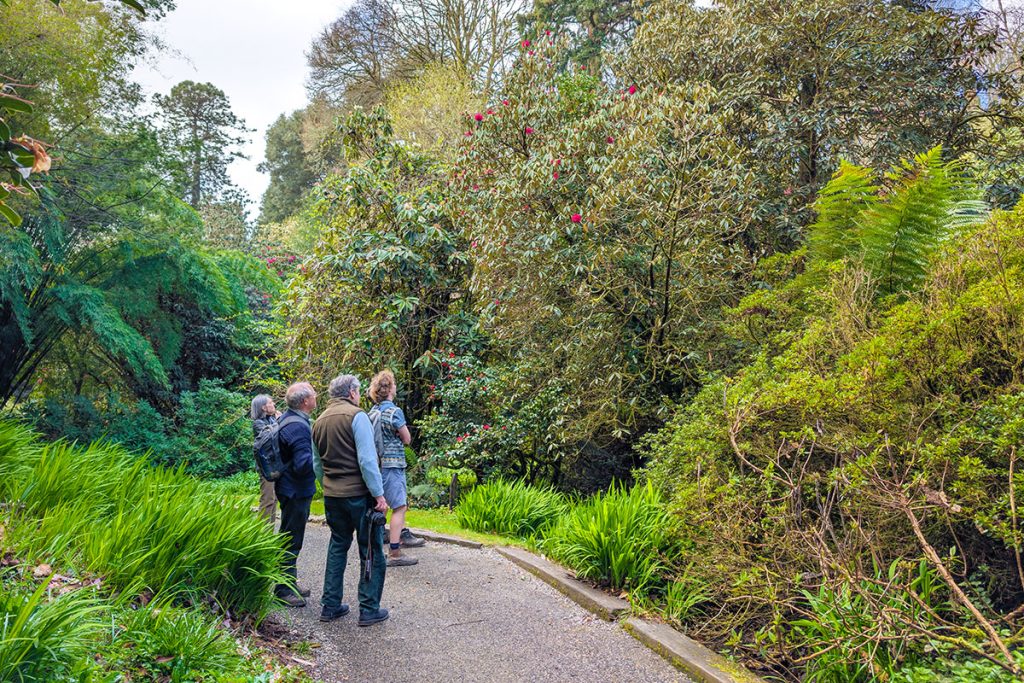
Rhododendrons remain one of Trebah’s defining features. Our diversity, scale and history make the collection truly world-class, and as this new chapter unfolds, visitors can look forward to:
- Rediscovered historic cultivars
- Expanded plantings across the garden
- Even more spectacular spring displays
Tese aren’t just plants – they’re living pieces of horticultural history!
Acknowledgement:
The expeditions that benefitted Trebah also transformed British horticulture, though it is also important to acknowledge that plant collecting often took place within the wider context of the 19th-century British Empire. Whilst plant collections were increased and scientific understanding was advanced, there were impacts on Indigenous peoples, resources were exploited, and inevitably some invasive species were introduced.