HISTORY OF TREBAH GARDEN - 1086 TO 2005

Page 2 - Decline and Maturation (1939 to 1981)
In 1939 Alice Hext died and the substantial Trebah Estate was sold off in small packages, one of which comprised the house and garden.  This deprived the garden of the income necessary for its maintenance.  For the next 42 years Trebah changed hands on average every six years and the garden gradually fell into decay.

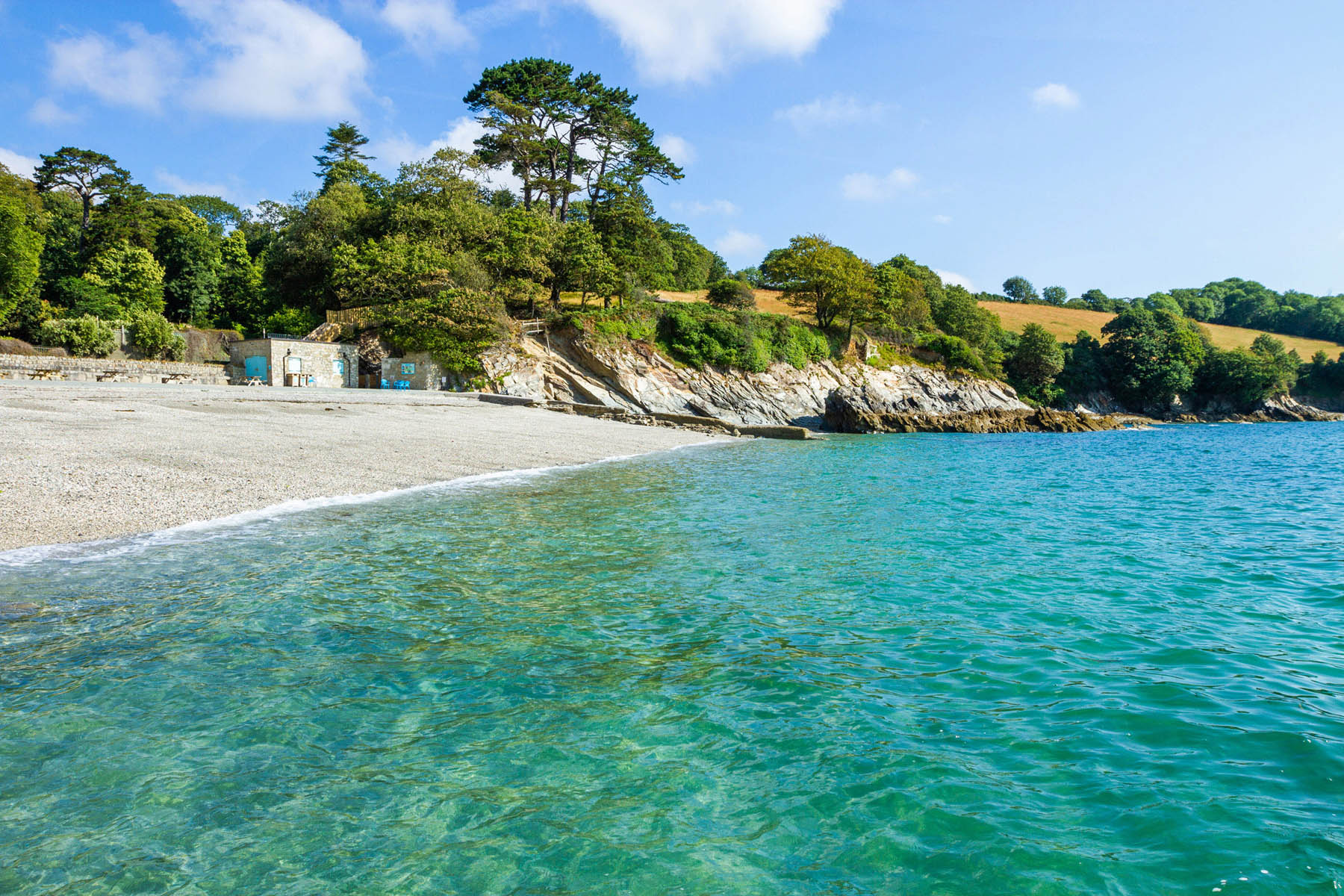
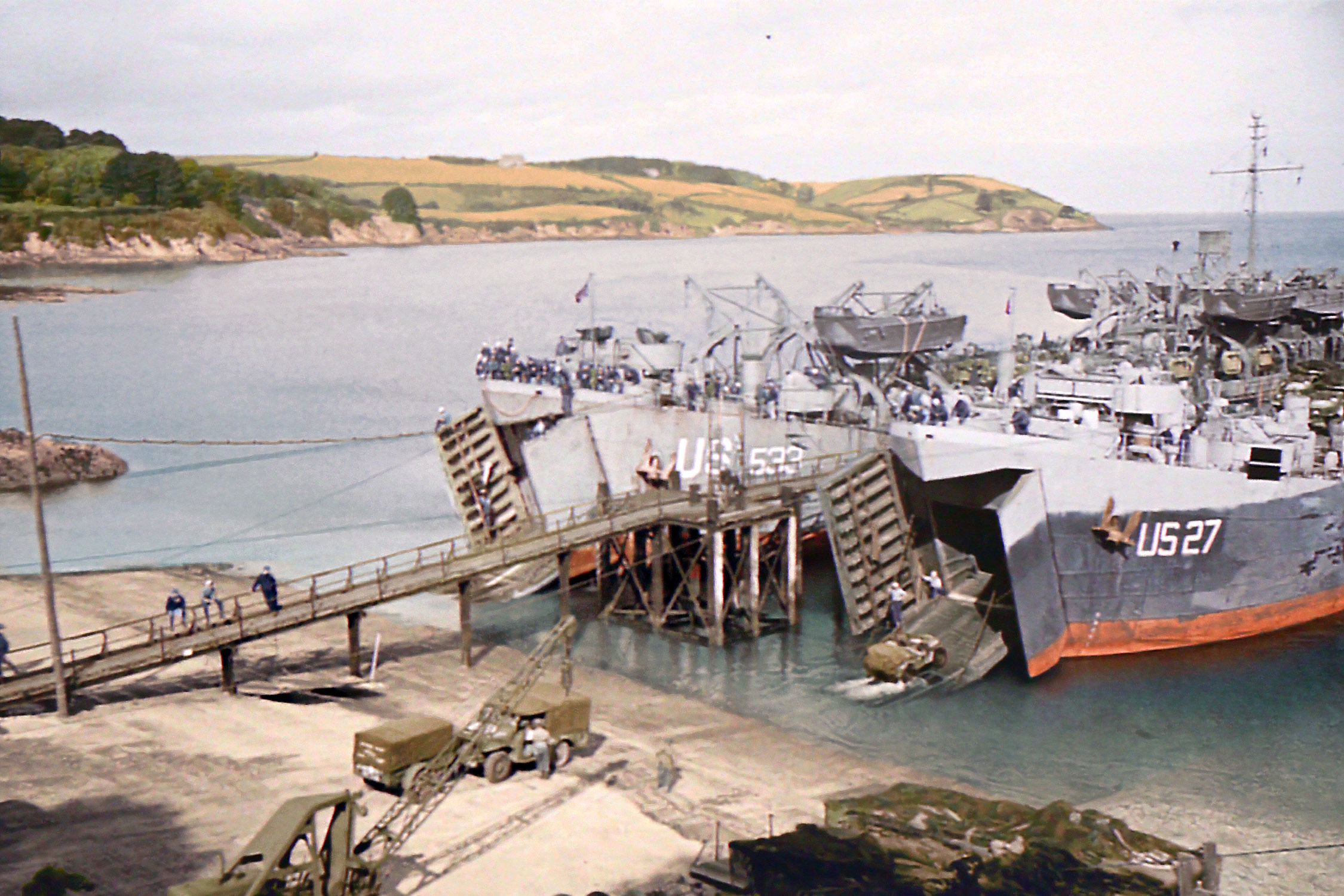
In 1944 the beach was covered in concrete and the rocks dynamited to allow access for tanks and vehicles.  The garden was used as an ammunition dump and slit trenches were dug.  Messerschmitt fighter-bombers attacked these preparations without success.

On 1 June a regiment of 7,500 men of the 29 US Infantry Division with their tanks, guns and transport embarked from Trebah Beach in ten 150 foot flat-bottomed landing craft.  For five miserable days they battled through enormous seas to the Isle of Wight and then on to the D-Day assault landing on Omaha Beach in Normandy, where they suffered grievous casualties.  A memorial at the bottom of the garden commemorates the courage of these brave young American soldiers.

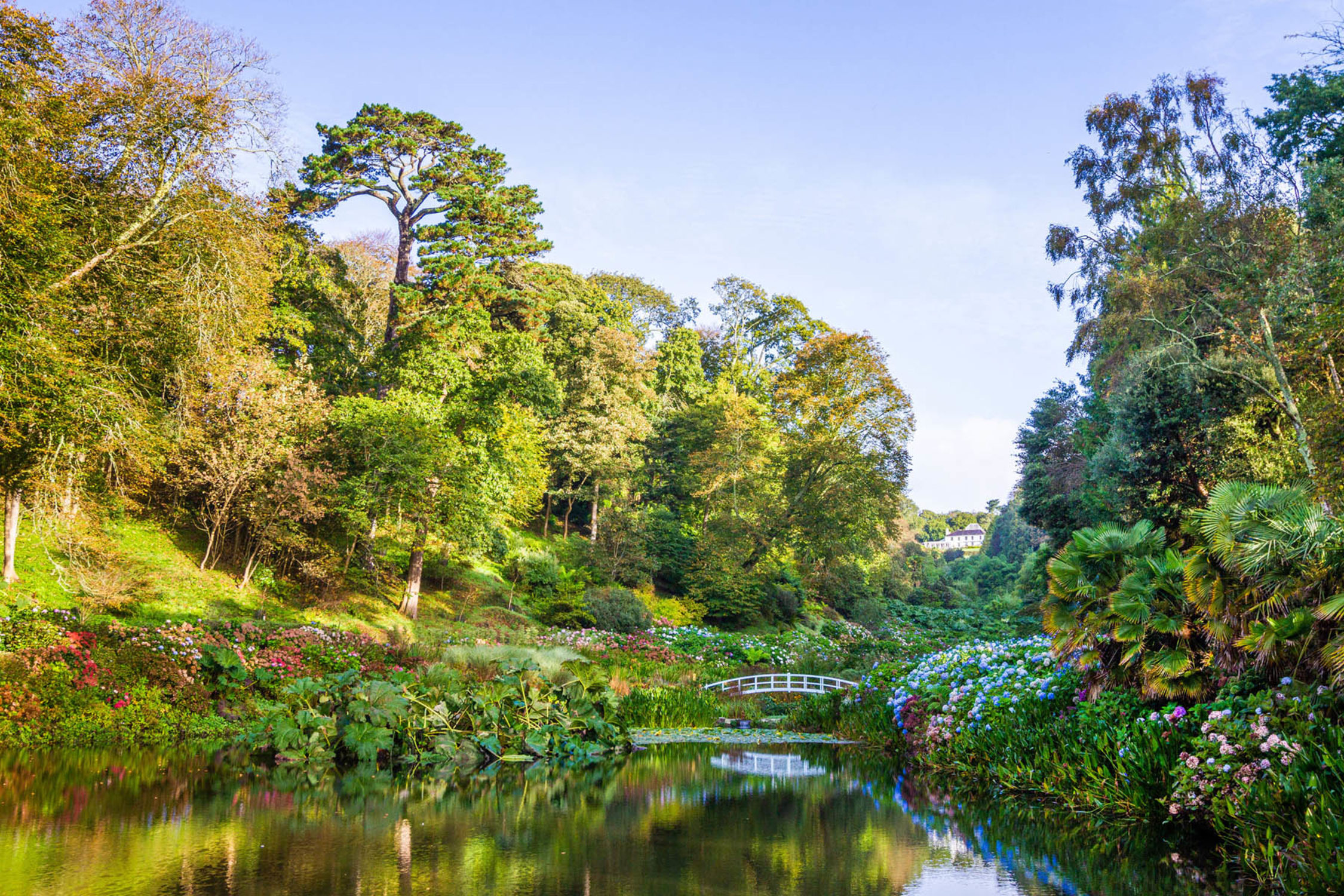
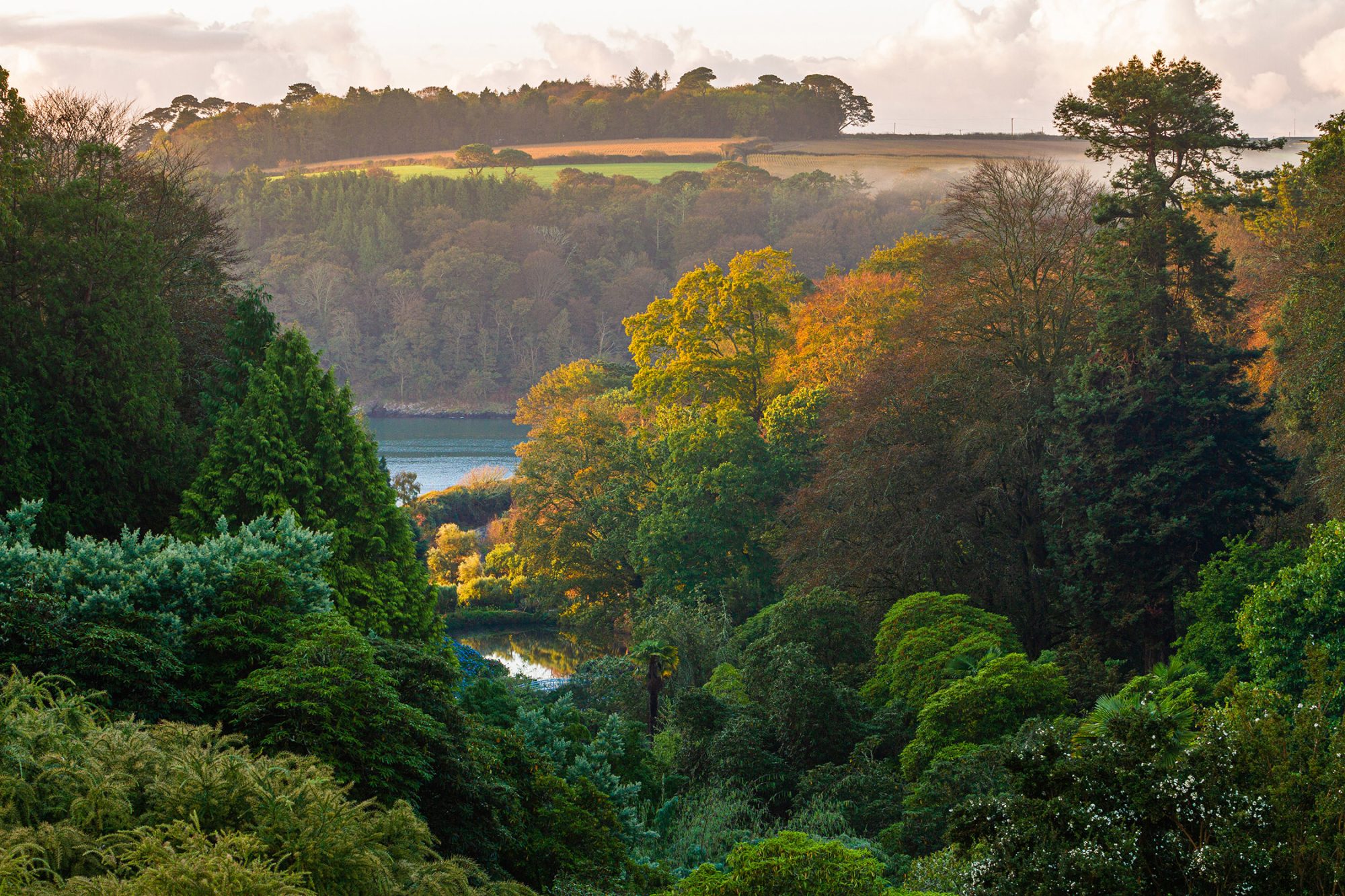
In the post-war years of rapidly changing ownership, the garden lay largely neglected, although two families tried to generate income from it.  The Fords introduced the massive planting of hydrangeas which is such a striking feature of the present garden and Donald Healey, the racing driver, invested heavily in greenhouses to supply orchids to Covent Garden. 

Donald Healey also designed and built his well-known marque of sports car here and obtained a grant to remove the concrete from the beach.  There is a memorial to Donald Healey on the right as you step out of the Hibbert Centre.


click here for more history

page 2 of 3. back to top


visually impared information  
  © 2003 Trebah Garden - mawnan smith, nr falmouth, cornwall, uk | t: 01326 250448 e: mail@trebah-garden.co.uk site: creative edge